NPFMC Takes Limited Step on Chum Salmon Bycatch, Ignores Tribal Knowledge and Urgent Calls for Meaningful Limits
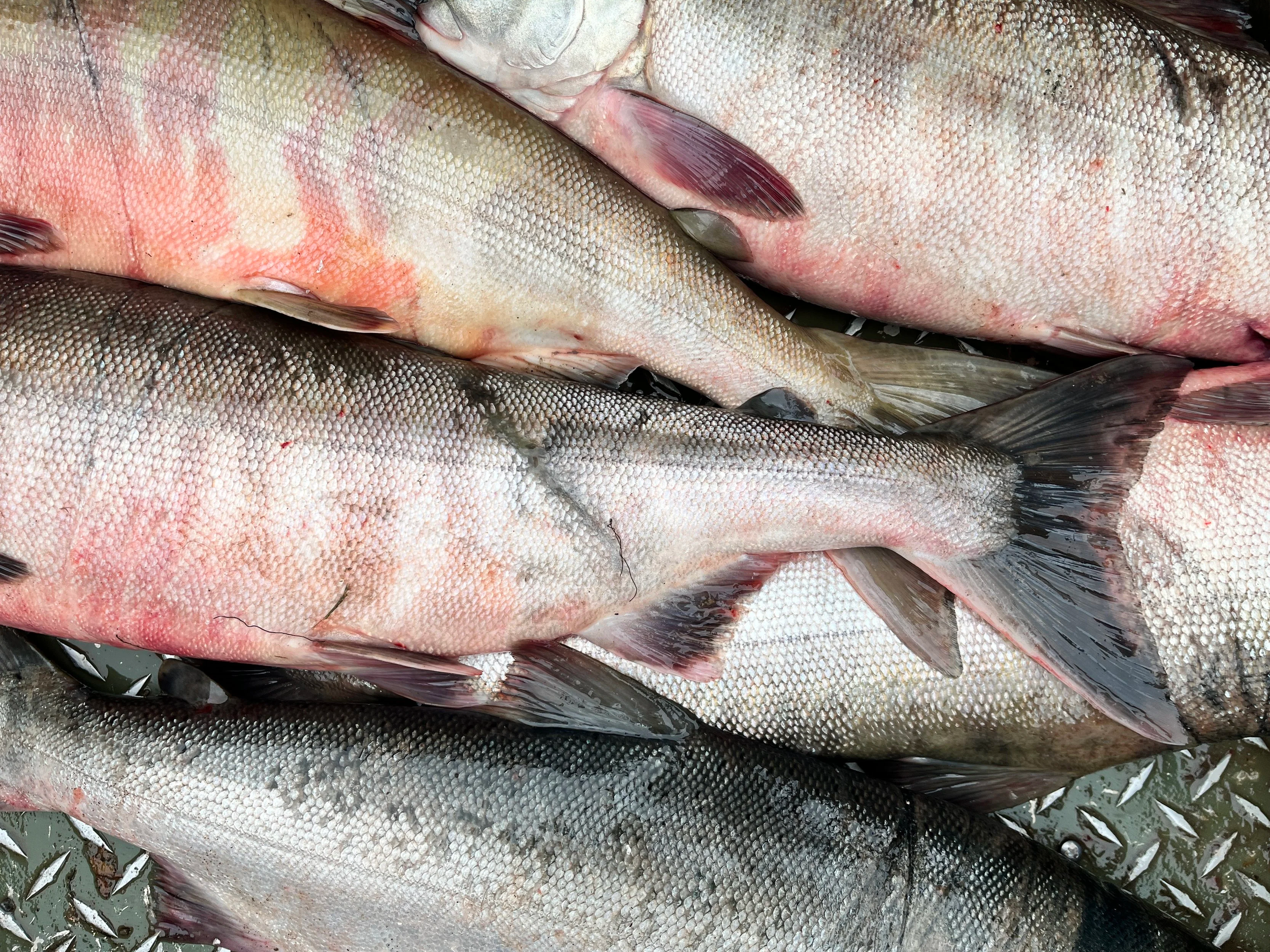
Photo by Terese Vicente/KRITFC
FOR IMMEDIATE RELEASE | Download PDF here.
February 13, 2026
Anchorage, Alaska
After years of Tribal testimony and advocacy, the North Pacific Fishery Management Council (NPFMC) voted this week to adopt new management measures for Western Alaska chum salmon bycatch in the Bering Sea pollock fishery. While the action represents a step beyond the status quo, it falls far short of what Tribes across the Yukon‑Kuskokwim Delta and Western Alaska have consistently called for: meaningful limits that reflect Traditional Knowledge and the ongoing collapse of salmon runs.
The Council’s final action sets a seasonal bycatch limit of 45,000 Western Alaska chum salmon between June 10 and August 31 near the Alaska Peninsula. If that limit is exceeded, the pollock industry will establish a partial migratory corridor closure in 20 statistical areas, four of which are fixed in regulation. NOAA Fisheries will review genetic data to determine compliance, with the possibility of automatic corridor closures in future years. The action also requires new reporting and communication requirements under the pollock industry’s Incentive Plan Agreements.
Despite hours of testimony from nearly 180 people, including Tribal leaders, Elders, community members, and youth, the Council rejected proposals for lower, Bering Sea-wide bycatch caps and broader corridor protections that Tribes said were necessary to prevent further harm to already devastated salmon-dependent communities.
“To our Tribes, accountability comes from meaningful limits, not just promises of increased communication. The NPFMC took steps toward reducing Western Alaska chum salmon bycatch at this meeting––but these steps may be too little and too late,” said Martin Andrew, Chair of the Kuskokwim River Inter‑Tribal Fish Commission. Mr. Andrew then stated: “This action allows the waste of up to 45,000 chum salmon and ignores losses elsewhere in the Bering Sea. It prioritizes industry flexibility and an unsustainable pollock quota over Traditional Knowledge, science, and the survival of subsistence communities—making the sacrifice of Indigenous ways of life the cost of doing business.”
“Our communities have been clear, consistent, and grounded in generations of knowledge about the salmon, our water, and Our Way of Life,” said Vivian Korthuis, Chief Executive Officer of the Association of Village Council Presidents (AVCP). “The Council heard us—but it did not listen. This decision continues a pattern of putting industry convenience over the survival of our culture and our Alaska Native identity. We are salmon people and every salmon counts.”
“We are deeply grateful to the Tribes and leaders of the Yukon‑Kuskokwim Delta who showed up, spoke out, and shared their lived experiences,” said Thad Tikiun, Jr., Chairman of AVCP’s Executive Board. “Our voices were strong and united. Even when decisions fall short, our people will continue to stand up for our rivers, our salmon, and our future.”
The NPFMC action must still be approved by the Secretary of Commerce and would not take effect until June 2028 at the earliest. Before final approval, we call on the Secretary of Commerce to weigh Tribal survival, Tribal sovereignty, and food security against commercial interests, and strengthen protections so that our Alaska Native Way of Life is not the cost of doing business.
*****
For media, contact:
KRITFC: Kevin Whitworth, Executive Director, 907-574-0388
AVCP: communications@avcp.org