In The Ocean
BACKGROUND
Kuskokwim salmon of all species typically spend more than half of their lives in the North Pacific ocean, where they feed, grow, and mature before returning to the river to spawn. Elders from our region have described the marine environment – and the Bering Sea in particular – as the nursery that we send our salmon to until they are old enough to come home, and as the bowl that supports the food security, traditions, and culture of our region.
In recent decades, however, the Bering Sea and North Pacific have not been favorable to Kuskokwim salmon. Climate change – including marine heat waves and disappearances of food sources – industrial trawling, and large-scale commercial intercept fisheries are causing lasting negative impacts to the health and abundance of Kuskokwim salmon, especially Chinook and chum salmon. These impacts are magnified in the face of continued low abundance of these stocks.
Controlling climate change impacts is challenging, but reducing impacts from fisheries are directly under human control through different management entities. In times of Kuskokwim salmon shortages, all fisheries that impact stocks need to shoulder some of the burden to conserve and protect these fish. Restrictions to subsistence and commercial fishing in the Kuskokwim are only a part of this effort. Bering Sea trawl fisheries and the Area M commercial salmon fishery can be managed with conservation in mind – but until they are, the cumulative and largely unrestricted removals of Kuskokwim and other Western Alaska salmon stocks are the number one threat to our fish.
Bering Sea Bycatch & Trawling
Western Alaska Chinook and chum salmon – including salmon from the Kuskokwim – are caught as bycatch by industrial trawl fisheries in the Bering Sea. These include pollock trawl fisheries, which are responsible for more than half of all salmon bycatch in most years.
“Bycatch” is the term for fish that are not targeted, but are incidentally caught when fishing for other species (such as pollock). In federal offshore fisheries, bycatch species like salmon are managed as Prohibited Species Catch, meaning they cannot be sold; they can sometimes be donated, but usually are thrown back to the sea.
Only part of the annual salmon bycatch is of salmon from Western Alaska rivers, like the Kuskokwim. On average, about 50% of all Chinook salmon bycatch and about 20% of all chum salmon bycatch come from Western Alaska stocks. However, a new genetic baseline used to analyze 2024 and 2025 Chinook salmon bycatch unveiled that about 50% and 60% of the bycatch in the respective years were from Kuskokwim & Bristol Bay Chinook salmon stocks – indicating most Chinook salmon bycatch may be coming from our river.
Bycatch numbers are publicly available and are updated weekly. Find Chinook salmon bycatch numbers here, chum (“non-Chinook”) salmon bycatch numbers here, and other North Pacific bycatch reports here. Bycatch is reported by onboard human observers or by electronic monitoring equipment (primarily in the Gulf of Alaska).
On top of bycatch, trawl gear used in the Bering Sea contacts the seafloor – including the pelagic pollock trawl fishery, which for years has been known as a midwater trawl fishery. The cumulative impacts of pelagic and bottom trawl gear on seafloor habitat and ocean food webs are not well known. It is possible they contribute to poor salmon and ecosystem productivity.
Bering Sea (and Gulf of Alaska) commercial fisheries are managed by NOAA Fisheries Alaska Region, with input from the North Pacific Fishery Management Council (NPFMC). Learn about upcoming NPFMC meetings here, and find meeting archives here.
AREA M
Vessels in the South Alaska Peninsula, or Area M, commercial salmon fishery are known to harvest and sell migrating Western & Interior Alaska chum and Chinook salmon caught in their area. Recent genetic studies from this fishery tell us that about 25% of all chum salmon catches are from Western & Interior Alaska rivers, and over 20% of all Chinook salmon catches are from the Kuskokwim and Bristol Bay stocks specifically.
Area M is managed by pre-determined Fishery Management Plans set by the Alaska Board of Fisheries, and administered by the Alaska Department of Fish & Game. Find archived and upcoming meeting information online – look for “Alaska Peninsula / Aleutian Islands Finfish” meetings for Area M information.
In-season Area M harvests can be found on ADF&G’s website here. Note that harvests come from processor reports without any independent verification – so these are reports by the industry.
2026 Management: Because the Attorney General’s office recently disapproved the new management plan set by the Board of Fisheries in February, the Area M fishery is operating under its 2023-2025 June management plan. This includes two evaluation thresholds for chum salmon that would trigger restrictions or closures for the seine fleet if exceeded. However, the chum salmon harvest did not meet or exceed the two in-season evaluation thresholds (300,000 chum by June 19, or 450,000 chum by June 24), so no restrictions or closures to the purse seine fleet were triggered this year.
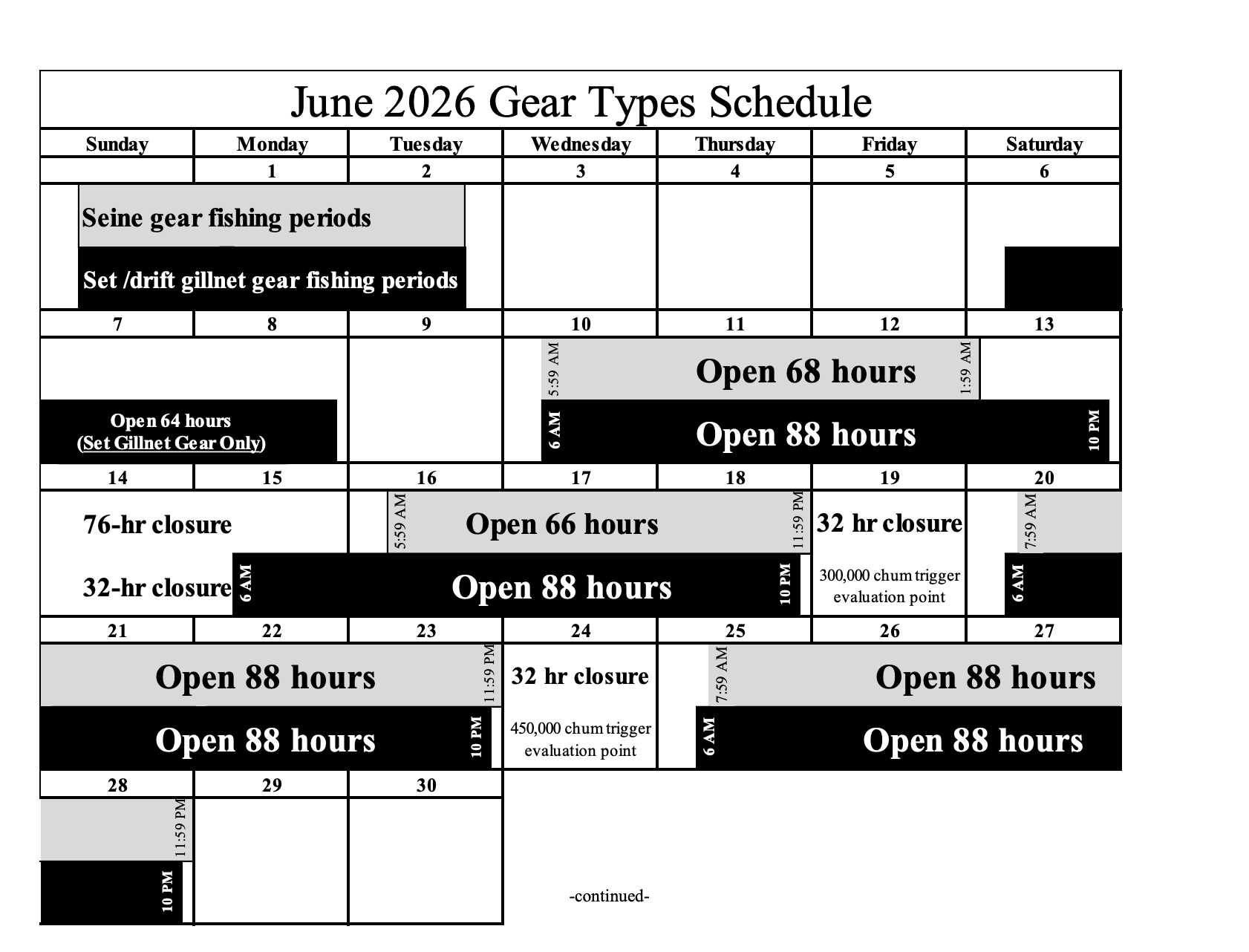
2026 Area M June Fishery Calendar
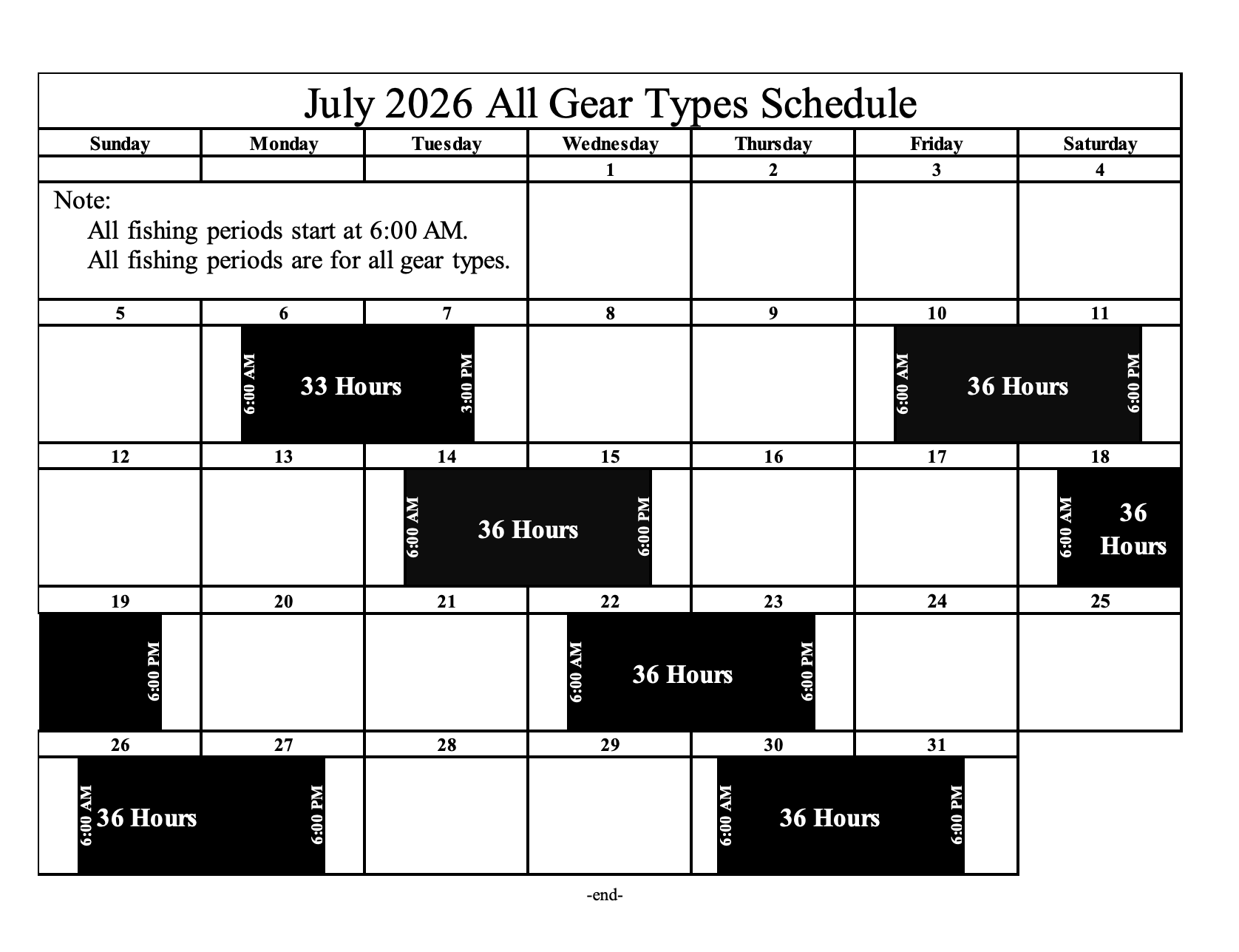
2026 Area M July Fishery Calendar
In The NEws
On May 20, the State Attorney General announced its action to void a set of February 2026 Alaska Board of Fisheries’ regulations to restrict the Area M fishery, overturning regulations that were a result of years of advocacy from communities across the Yukon, Kuskokwim, Bristol Bay, and Arctic regions who have experienced devastating salmon collapses.
The new plan, which will take effect in 2026, reduces fishing time for these vessels by about 39% and 30%, respectively, from the 2023-2025 plan. It also removes the chum salmon triggers for seine fleet closures adopted in 2023.
The North Pacific Fishery Management Council (NPFMC) voted this week to adopt new management measures for Western Alaska chum salmon bycatch in the Bering Sea pollock fishery. While the action represents a step beyond the status quo, it falls far short of what Tribes across the Yukon‑Kuskokwim Delta and Western Alaska have consistently called for: meaningful limits that reflect Traditional Knowledge and the ongoing collapse of salmon runs.
In February 2026, both the North Pacific Fishery Management Council (NPFMC) and Alaska Board of Fisheries (BOF) will be discussing the management of salmon bycatch and intercept in marine fisheries. Here’s what you need to know.
The North Pacific Fishery Management Council held a special chum salmon bycatch, primarily to review the preliminary draft Environmental Impact Statement (PDEIS or EIS) for new approaches to chum salmon bycatch management in the Bering Sea pollock trawl fishery, with a prioritization on reducing bycatch of Western Alaska chum salmon.
The North Pacific Fishery Management Council will next discuss chum salmon bycatch at a special meeting in February 2025. Here is what you need to know to engage.
NOAA Fisheries invites our Alaska Federally-recognized Tribes, Alaska Native Corporations and Tribal Organizations that represent Tribal Governments to engage with us on upcoming NPFMC action items, including Agenda Item C4: Chum Salmon Bycatch.
During the first week of April 2023, the NPFMC members will be meeting again and discussing next steps for salmon bycatch management – and they need to hear from you!
The BOF will meet February 20–25, 2023 at the Dena’ina Center in Anchorage to discuss Area M fishery proposals. The meeting will also be streamed online for view-only participants.
The Salmon Bycatch Committee, formed in October 2022 by the North Pacific Fishery Management Council, is holding its second meeting on Wednesday, January 25, 2023, from 9am–5pm AKT. This meeting is virtual and open to the public.
The Alaska Board of Fisheries (BOF) is holding its Arctic-Yukon-Kuskokwim meeting from January 14–18, 2023, beginning at 8:30 am each day at the Egan Center in Anchorage. The meeting will also be streamed online for view-only participants.
While we are heartened to see the North Pacific Fishery Management Council bring together this diverse Salmon Bycatch Committee, we left its first meeting without any concrete steps toward reducing salmon bycatch, particularly of chum salmon.
This December, the NPFMC members will be meeting again to discuss salmon bycatch – and they need to hear from you!
Now that it’s November, ice has formed on the Kuskokwim, and we have some preliminary salmon data to review, we thought we’d share a little bit about the 2022 salmon season.
The Department of the Interior (DOI) and National Oceanic and Atmospheric Administration (NOAA) are hosting in-region and virtual Tribal Consultations in Bethel (October 5), Nome (October 6), and Fairbanks (October 7) to consult with Tribes and subsistence users on fisheries protections, restoration, and subsistence policy.
The North Pacific Fishery Management Council is seeking nominations for a new Salmon Bycatch Committee. This committee is focused upon issues that affect the Council’s management of salmon bycatch in the Bering Sea pollock fishery.
It is important to KRITFC that we keep up-to-date with and advocate for our fish while they are in their marine environments. Here are the latest salmon bycatch numbers we have seen, and what we’re doing about them.
The Council declined to impose any new bycatch rules that would affect the current season. Instead, they approved what members characterized as a rigorous research program to include the formation of a working group with tribal representatives and others from affected communities.
We are looking for fishermen and members of the public to share their testimonies at the North Pacific Fishery Management Council meeting in June 2022 about how salmon bycatch is affecting you, your families, and your fishing.
“We can all agree that the only truly acceptable amount of bycatch is zero, and we must be continually striving toward this goal. We call on the North Pacific Fishery Management Council, Gov. Dunleavy, and ADF&G Commissioner Doug Vincent-Lang to take every possible action to reduce bycatch significantly when they meet in Sitka in June by lowering the chinook salmon caps and establishing a hard cap for chum salmon.”
This letter, signed by KRITFC and 11 other organizations, was sent by Bering Sea Fishermen’s Association to Area M Seiners Association on May 24, 2022, requesting that the Area M seine fleet voluntarily stand-down during upcoming June 2022 openers to ensure the escapement of AYK-bound chum salmon.
From KYUK: On Dec. 8 and 9, U.S. Sens. Lisa Murkowski and Dan Sullivan and Rep. Don Young held a Zoom meeting between salmon researchers, tribes, and managers. Their goal was to unite these groups’ efforts to determine the cause of the ongoing Chinook declines and the sudden chum crash in Western Alaska. After two days of meetings, the groups are still at odds over what’s causing the declines, and what the best way to move forward is.
The National Marine Fisheries Service with NOAA Alaska Region is hosting two engagement sessions with Alaska Native Tribal governments, organizations, and corporations regarding halibut (November 29) and salmon bycatch (January 11) in Alaska marine fisheries. These engagement sessions are NMFS’s response to dozens of public testimonies about bycatch during the North Pacific Fishery Management Council meeting in October 2021. Any Alaska Native entity is invited to call in.
On Tuesday, November 16, KRITFC Executive Director Mary Sattler Peltola testified before the U.S. House Subcommittee on Waters, Oceans, and Wildlife about proposed reauthorizations to the Magnuson Stevens Act (MSA). In her witness statement, Mary emphasized the need to address climate change, add Tribal seats to the North Pacific Fishery Management Council, and further minimize bycatch in the reauthorized MSA.
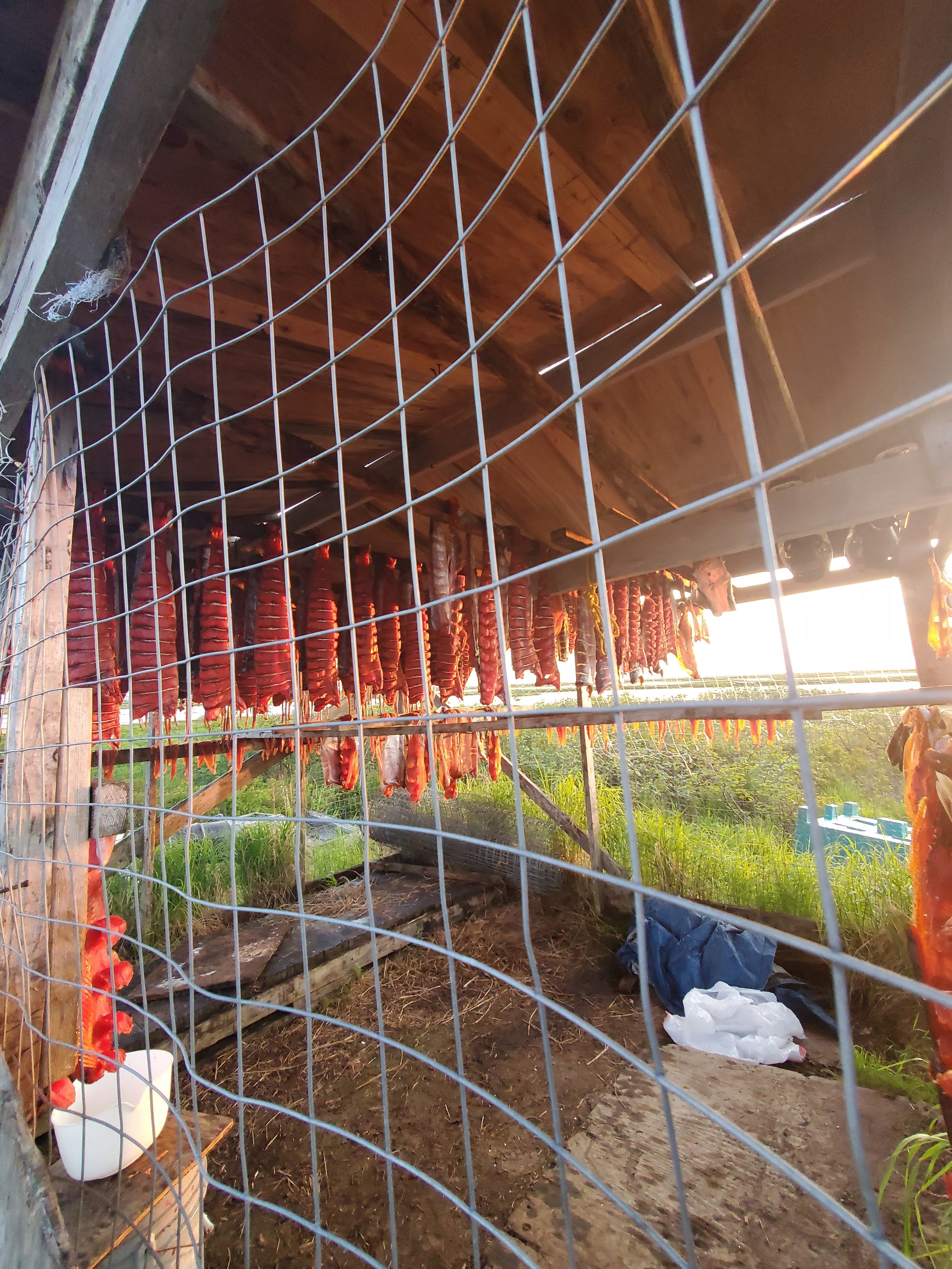
Our fish racks, smokehouses and fish camps remain empty. The trawl fleet continues catching and wasting salmon. The North Pacific Fishery Management Council may not have acted, but our work to restore abundant salmon populations and continue practicing our ways of life is far from over. The well-being of our descendants rests on our collective action now.
The North Pacific Fishery Management Council, along with its Advisory Panel (AP) and Scientific and Statistical Committee (SSC), are currently holding their October meetings to discuss federal fishery management in Alaska. We urge every subsistence fisherman and woman on our river to provide a testify to them.
The Kuskokwim River Inter-Tribal Fish Commission released its “Kuskokwim River Chinook and Chum Salmon Situation Report,” which documents the current Chinook and chum salmon disasters on the Kuskokwim River and its impacts on the 33 subsistence-dependent communities in its watershed.
The public is invited to submit written comments and provide testimony to the North Pacific Fishery Management Council. Written comments are due in 1 week by September 29, 2021, at 5:00 pm AKDT.

Bering Sea commercial groundfish fisheries – including the pollock trawl fishery – began their B season fishery on June 10. Read on for 2026 bycatch updates.